
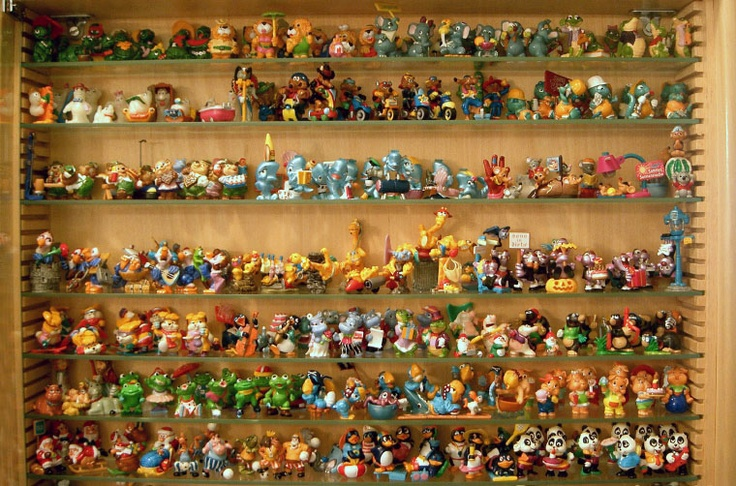
Somebody handed you a Funko Pop as a joke gift, or you saw a Labubu clipped to someone’s bag on the train and got curious, or you just walked past a wall of Squishmallows and felt something you didn’t expect to feel as a grown adult. Now you’re wondering how to start collecting toys without it turning into an expensive mess six months from now. Good instinct. Most people get this part wrong, so here’s the version that actually works.
Decide why you’re collecting before you buy anything
This sounds obvious, but skipping it is the single biggest reason people quit or overspend in the first month. Are you collecting for display, because you like how a certain character or aesthetic looks on a shelf? For the hunt, because opening a blind box or chasing a rare pull is genuinely fun for you? Or for stress relief, because it’s a small, low-cost ritual after a long day? Your answer changes everything else, from which brand you pick to how much you should budget.
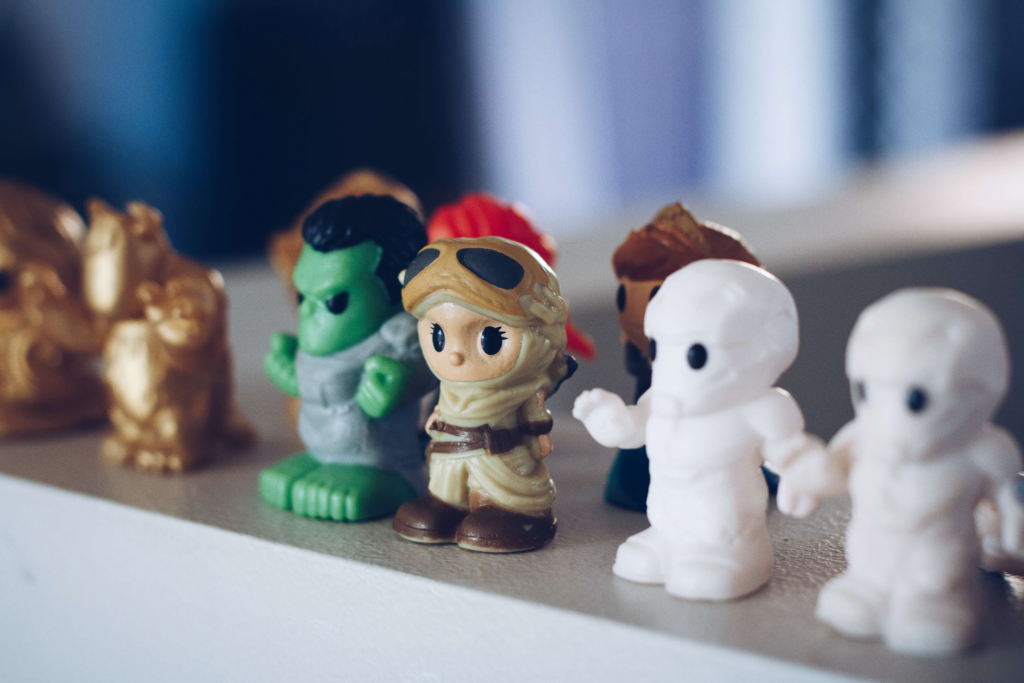
If you’re collecting for display, buy things you’d want to look at every day, not whatever’s trending. If you’re collecting for the hunt, you’ll get more out of blind box formats specifically. Worth reading our guide on what a blind box actually is before you spend money on one, since the randomness is the entire product, not a bonus feature.
Pick one brand or theme to start with
New collectors almost always make the same mistake: they buy one of everything instead of going deep on one thing. Pick a single lane first. A few starting points that are genuinely easy to get into as an adult:
- Funko Pop: huge range of licenses, so there’s almost certainly a character you already like. Cheap entry point at $10 to $15 per figure.
- Squishmallows: plush-based, low pressure, easy to display without shelving. Good if you want something soft rather than a vinyl figure.
- Pop Mart: designer toy brand behind Labubu and Molly. Blind box format, more of a hunt-driven hobby than a display-driven one.
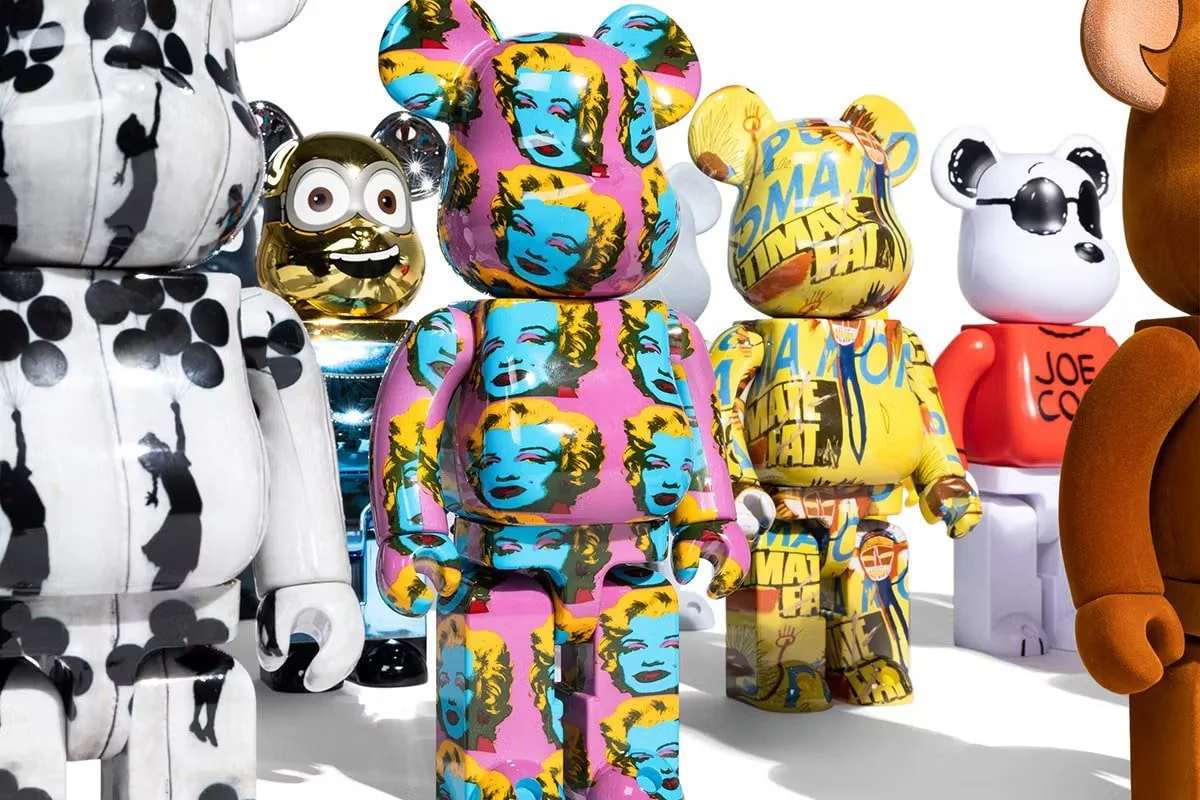
- Bearbrick from Medicom Toy: higher price point, more of a design-object feel than a character collectible.
You can always branch out later. Starting narrow just means your first month of purchases actually forms a small, coherent collection instead of five random items with nothing in common. If you genuinely don’t know where to start, go with Funko Pop.
It’s the cheapest entry point, the format is beginner-friendly since you see what you’re buying, and there’s a license for almost anyone. Check out what’s actually dropping this month to get a feel for how often new waves show up before you commit to the brand. Hold off on Bearbrick until you’ve got more budget to burn, since the price point punishes indecision.
Set a real budget before your first purchase
Write down an actual number, monthly, and stick to it for at least the first eight weeks. This matters more for blind box formats, where the whole design is built around making you buy “just one more” to chase a specific pull. A reasonable starting budget for a new collector is somewhere between $20 and $50 a month. That’s enough to buy something regularly without it becoming a financial habit you regret.
If you find yourself justifying a purchase outside your budget because “it might not come back,” that’s usually the moment to close the tab, not open your wallet.
Understand the different collecting formats
Not every collectible works the same way, and this trips up a lot of beginners:
Standard retail: you see exactly what you’re buying before you pay. Most Funko Pop shelf releases work this way.
Blind box: the item is sealed and randomized. You know the series, not the specific figure. This is the format Pop Mart is built around.
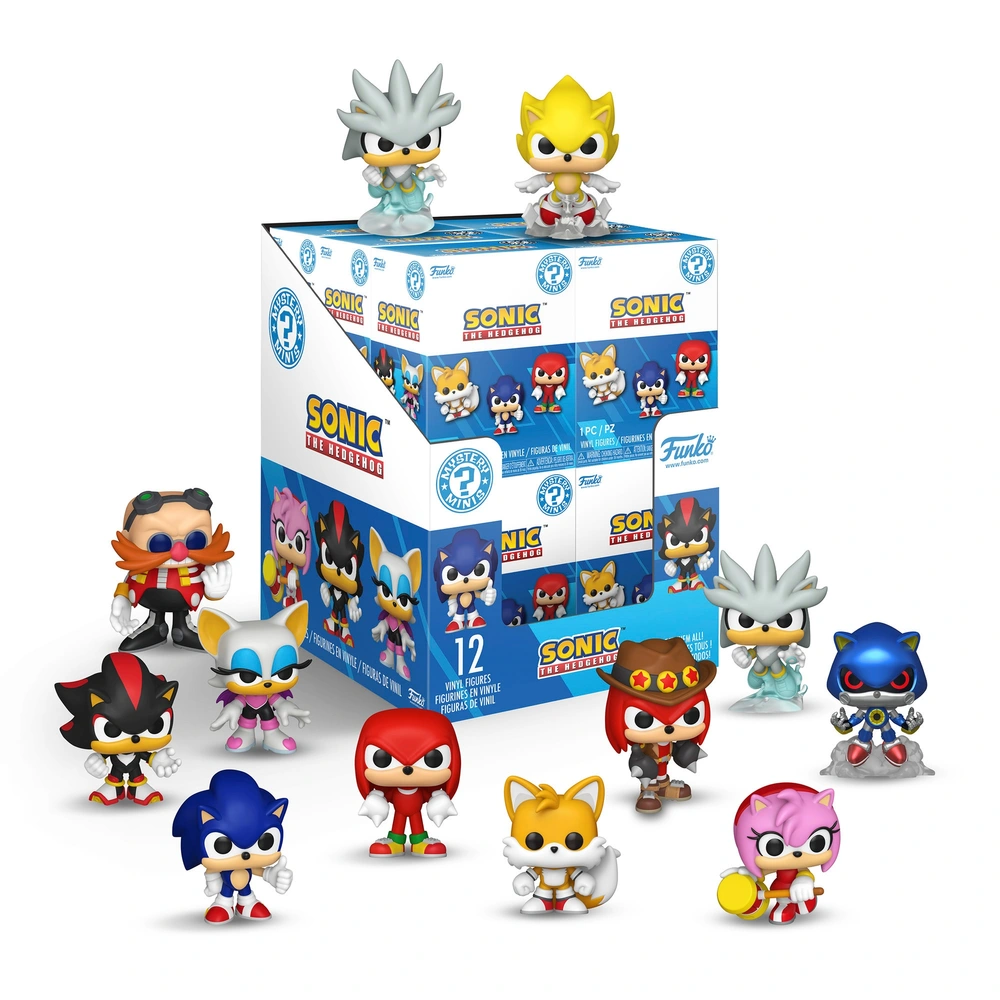
Limited edition or convention exclusive: a capped run, sold once, and typically not restocked. These carry the most resale risk and the most resale potential.
A Funko Mystery Minis blind box case for Sonic the Hedgehog, with all 12 figures unboxed.
Knowing which format you’re buying into changes how you should shop. Blind box purchases should come out of a “fun money” budget you’re okay losing. Standard retail is lower risk since you always know what you’re getting. If you’re the type who gets genuinely stressed by not knowing what you’ll get, skip blind box entirely for now. There’s no rule that says you have to like the hunt just because it’s the popular format right now.
Where beginners should actually buy
Buy from official brand sites or established retailers first, not resale marketplaces. Secondhand and resale prices for anything even slightly popular run well above retail, and as a beginner you don’t yet have the experience to tell a fair resale price from an inflated one. Specialty retailers like Toynk are a solid middle ground once you know what you’re chasing, since they carry harder-to-find items at closer to retail pricing than random online resellers.
Common mistakes new collectors make
A few patterns show up over and over with people just starting out:
- Buying a full case of blind boxes on day one. Wait until you know if you actually enjoy the format before committing that much money at once.
- Chasing resale value instead of what you like. Prices swing fast, and buying purely for “investment” on your first purchase is a bad bet.
- Skipping storage from the start. Boxes get crushed, tags fall off, and both hurt long-term value. Decide how you’ll store things before your collection outgrows a single shelf.
- Following hype instead of interest. The character everyone’s chasing online isn’t automatically the one you’ll still want in six months.
Your first month as a collector, realistically
Expect to buy two or three things, not twenty. Expect to change your mind about which brand actually clicks for you. That’s normal, and it’s cheaper to figure that out early than after you’ve sunk a few hundred dollars into a lane you don’t actually enjoy. Give yourself permission to start small and slow, since the collectors with the most satisfying shelves almost always built them one deliberate purchase at a time, not one impulsive spree.
Frequently asked questions
- Is collecting toys as an adult actually normal? Yes. Adult collecting is one of the fastest-growing segments in the toy industry, driven largely by brands like Funko, Pop Mart, and Squishmallows that design specifically for grown-up collectors rather than kids.
- How much should a beginner spend on their first month of collecting? Somewhere between $20 and $50 is a reasonable starting range. It’s enough to build momentum without turning into a financial habit you regret before you know if the hobby is actually for you.
- Should I start with blind box or standard retail collectibles? Standard retail is the lower-risk starting point since you know exactly what you’re paying for. Try blind box once you’ve confirmed you enjoy the hobby and can handle the “I didn’t get what I wanted” outcome without it ruining your day.
- Do I need to join collector communities to get started? No, but it helps. Facebook groups, Discord servers, and local meetups make it much easier to trade duplicates, spot fair resale prices, and avoid buying counterfeits, especially once you start chasing harder-to-find pieces.
1 Comment