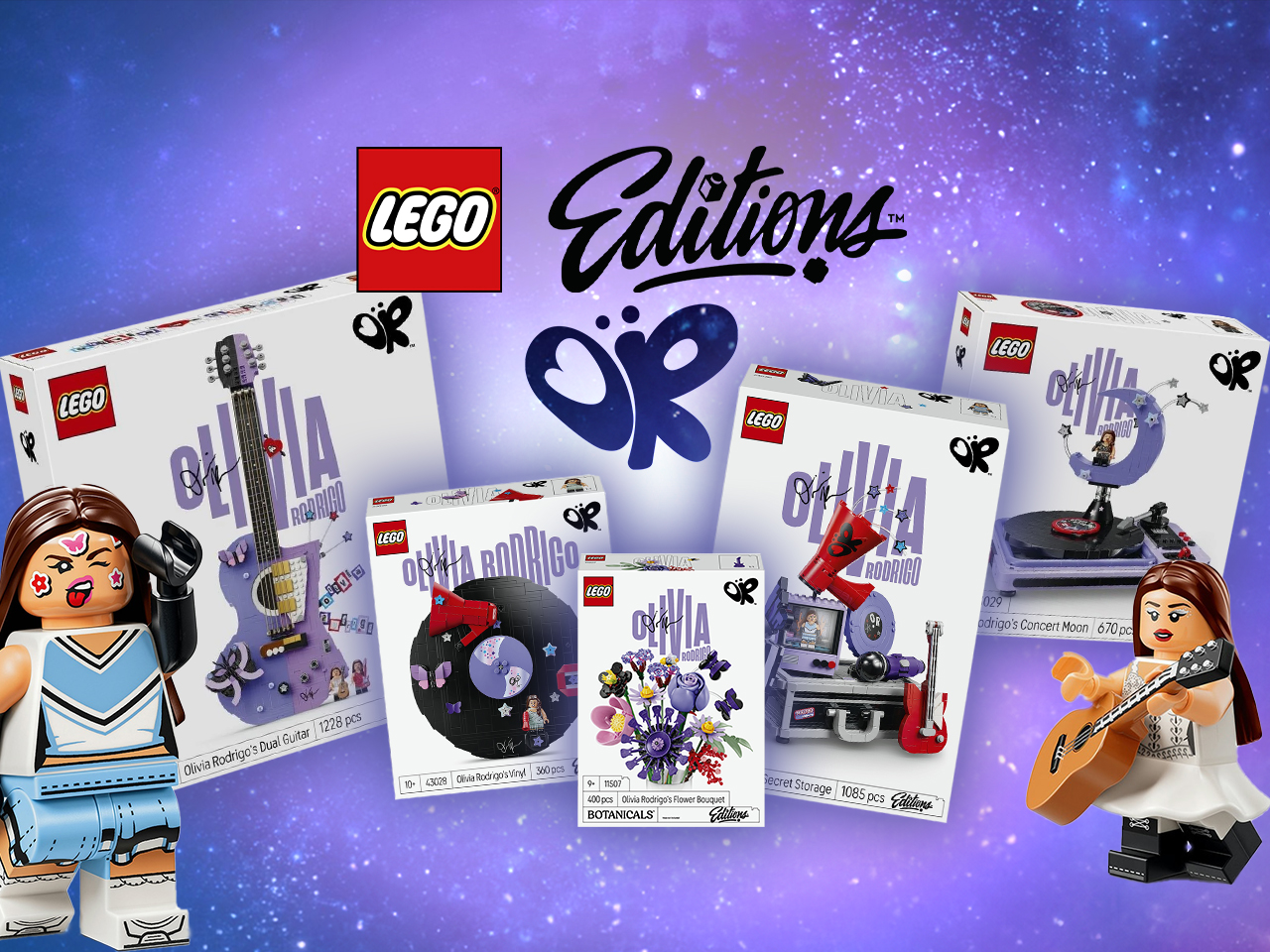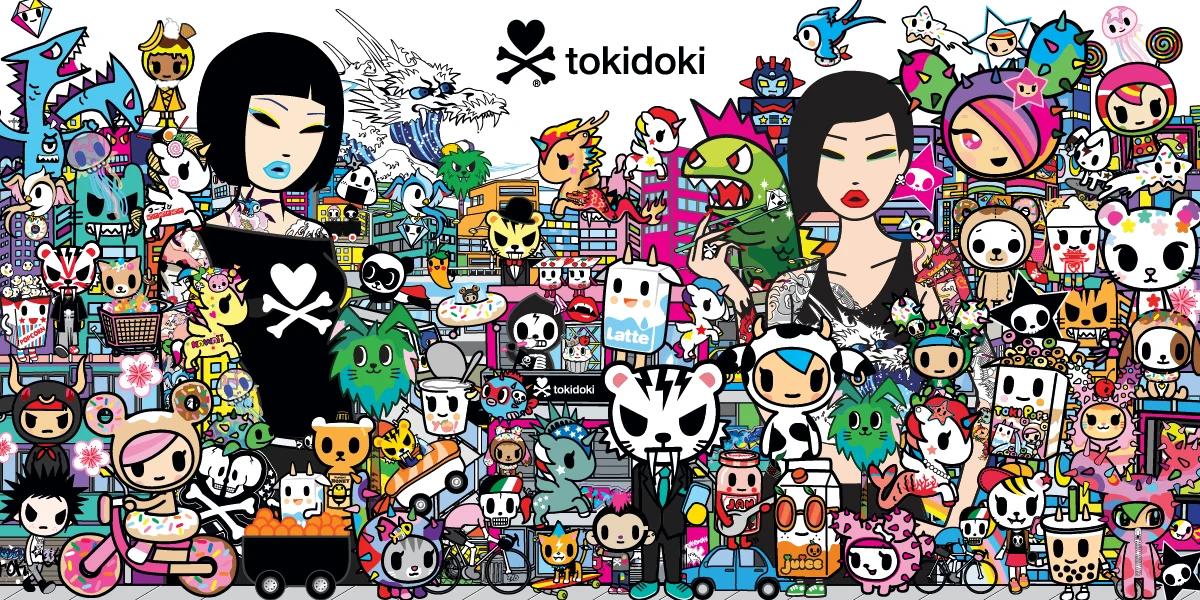
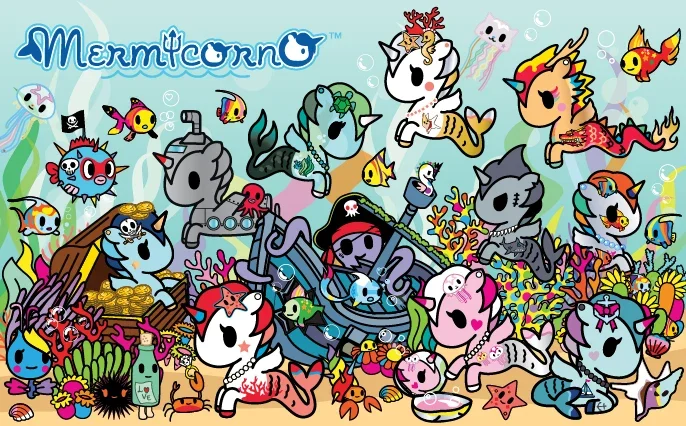
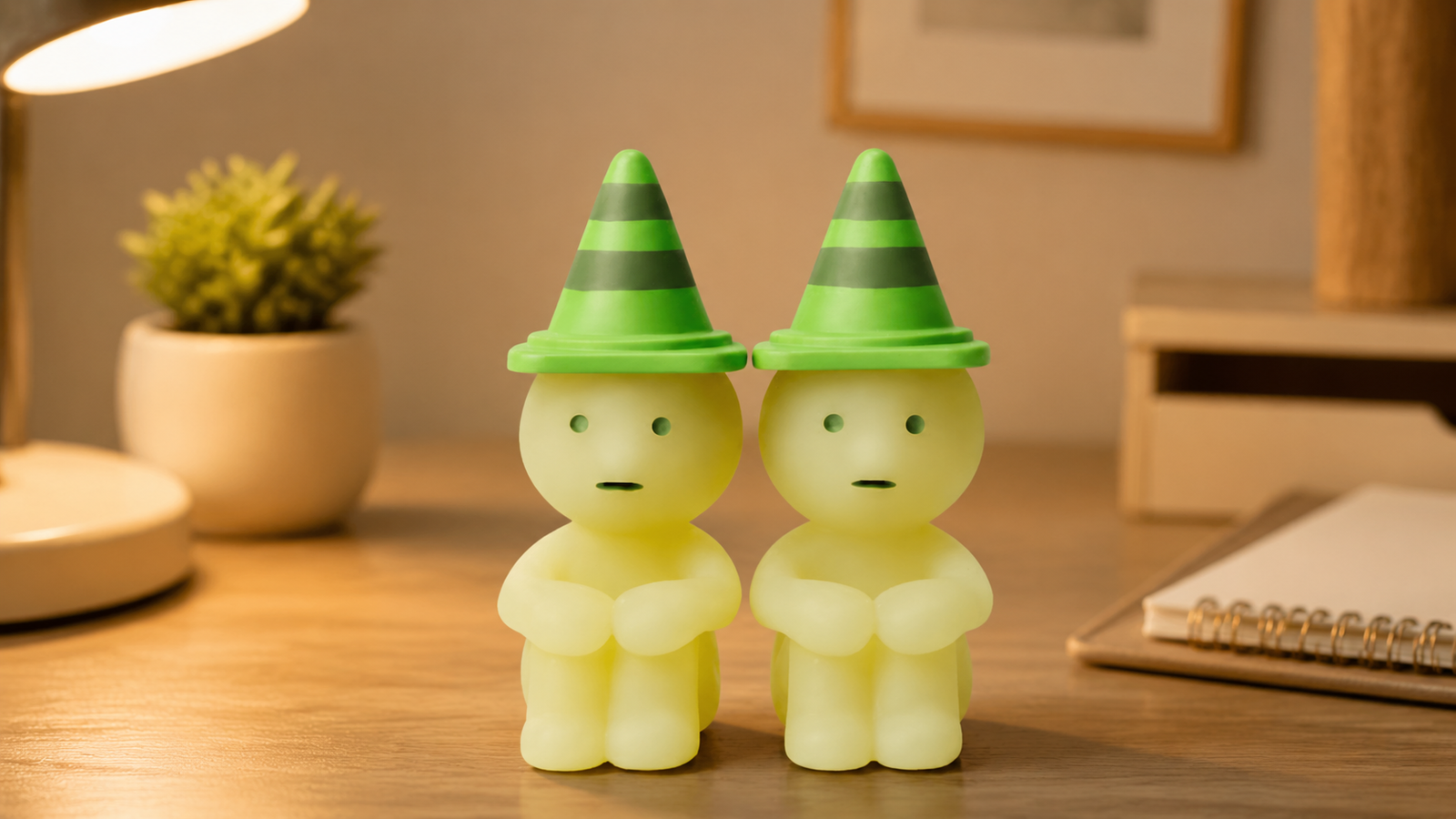
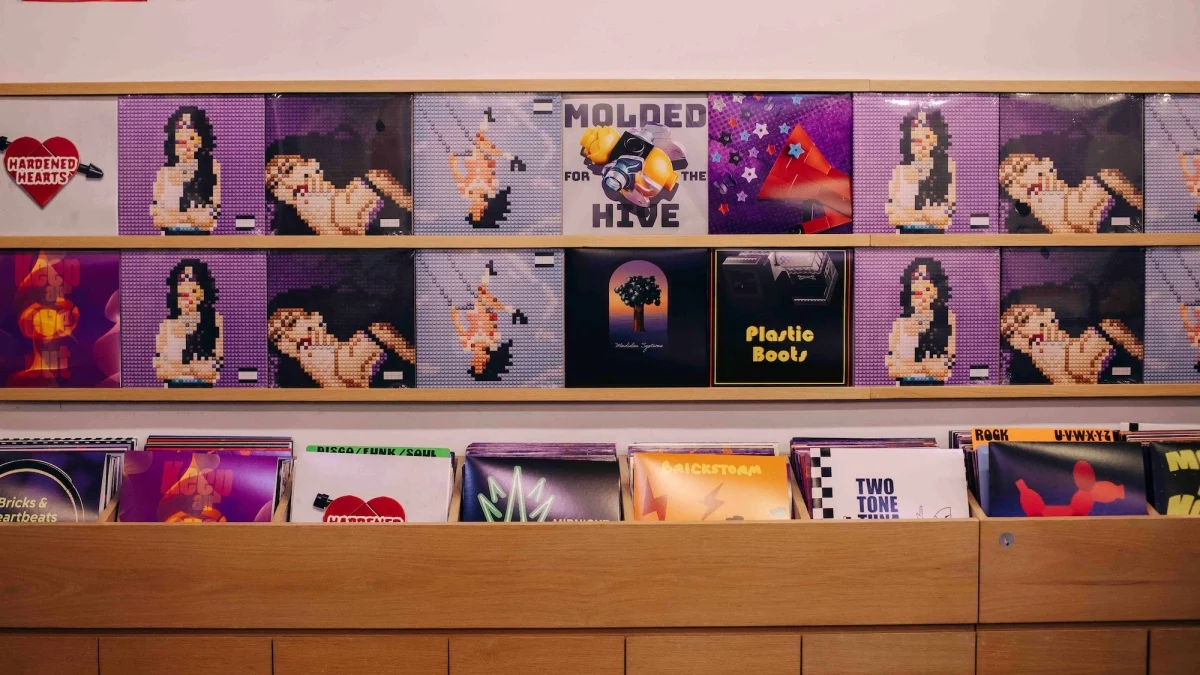

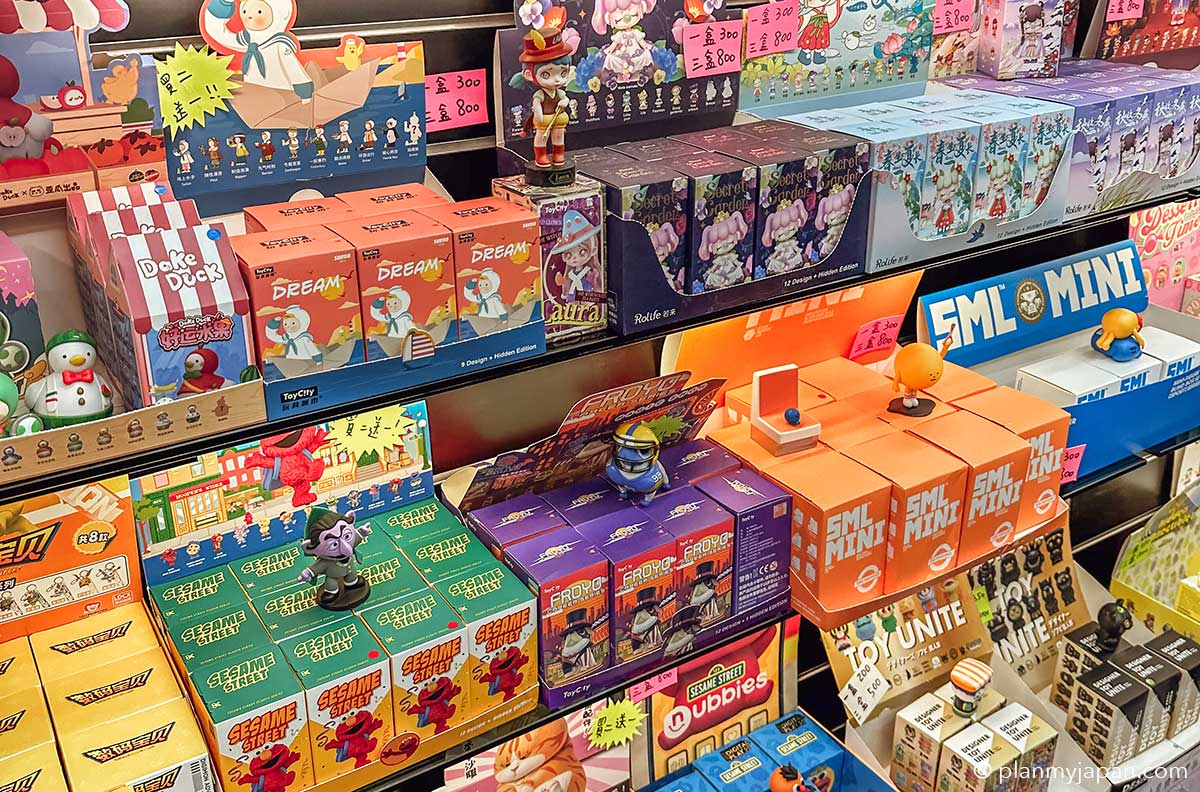
You’re scrolling Target’s toy aisle or Amazon late at night, and you keep seeing the same thing: small sealed boxes with a cartoon face printed on the front, no window, no hint of what’s inside except a code and a warning that says contents may vary. If you’ve been quietly wondering what is a blind box and why adults are buying them by the case, you’re not alone, and you’ve landed in the right place.
What Is a Blind Box, Exactly?
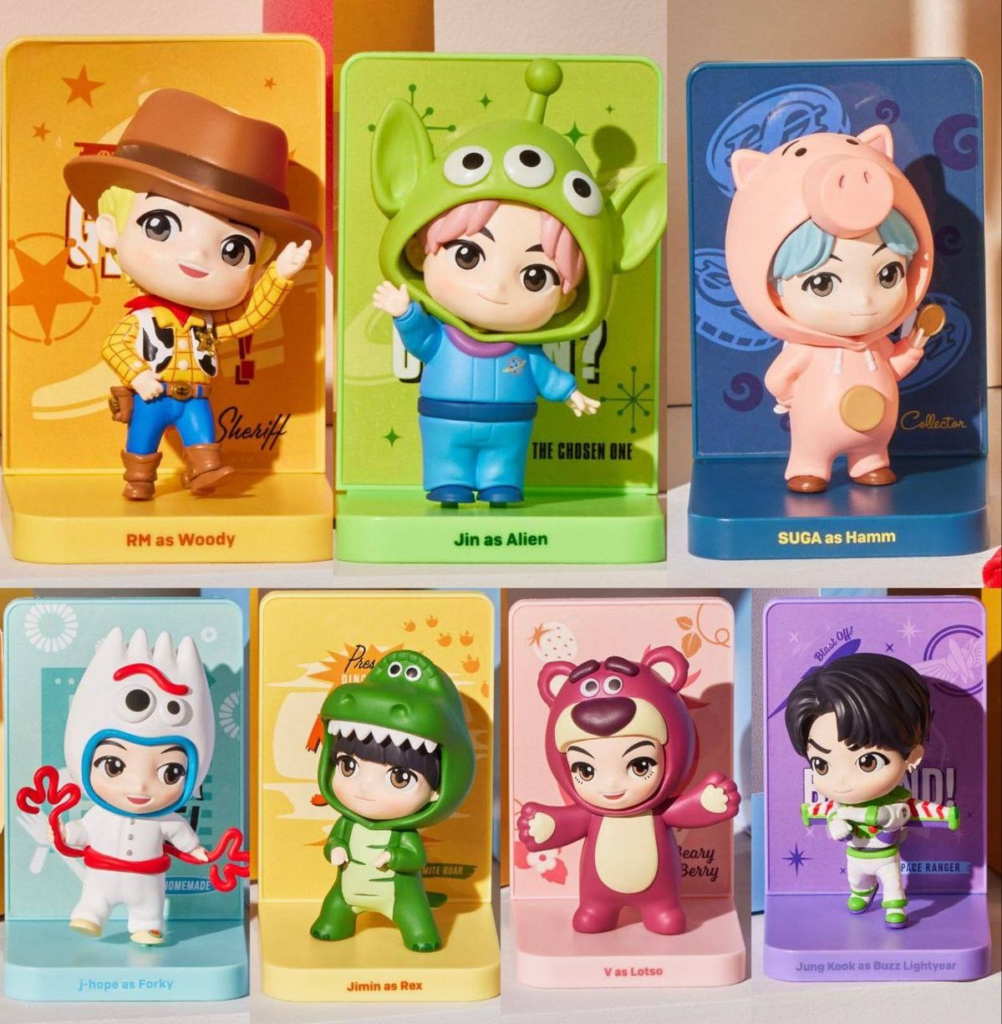
TinyTAN x Toy Story collectible figures by HYBE, featuring BTS members reimagined as iconic Toy Story characters.
A blind box is a sealed package that hides which specific item is inside until you open it. You know the general line you’re buying into (a certain character series, a certain brand), but not the exact figure, plush, or variant you’ll pull. That randomness is the entire point. It’s the same mechanic behind trading cards and slot machines, just repackaged as a collectible toy.
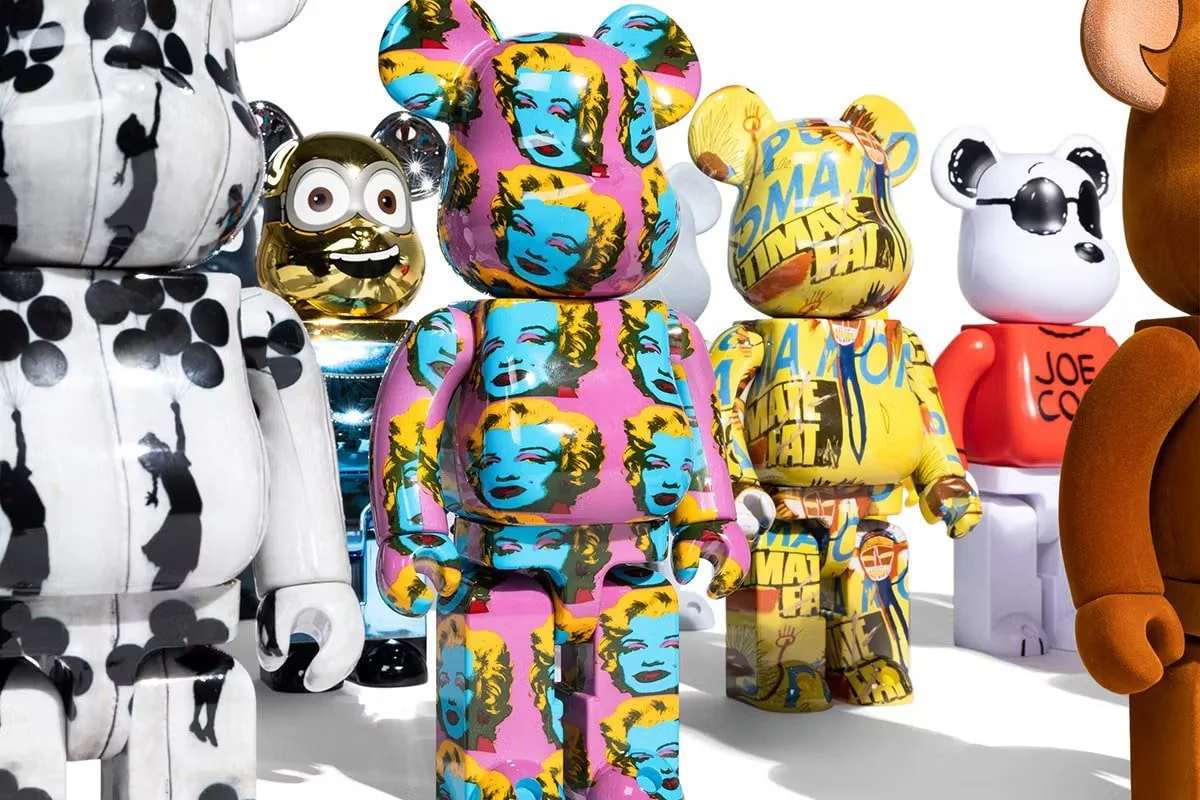
The format took off in Asia in the 2010s and now anchors some of the biggest names in adult collecting. Funko uses it for Mystery Minis. Pop Mart built its entire business model around it, most famously with Labubu. Squishmallows sells mystery squad packs alongside its regular labeled plush. Even Bearbrick from Medicom Toy started selling certain releases in sealed, unmarked form.
None of these brands tell you what’s in the box. That’s what separates a blind box from a normal collectible you pick off the shelf by name, like most of what shows up in a typical Funko Pop new release wave.
How Blind Box Rarity and Odds Actually Work
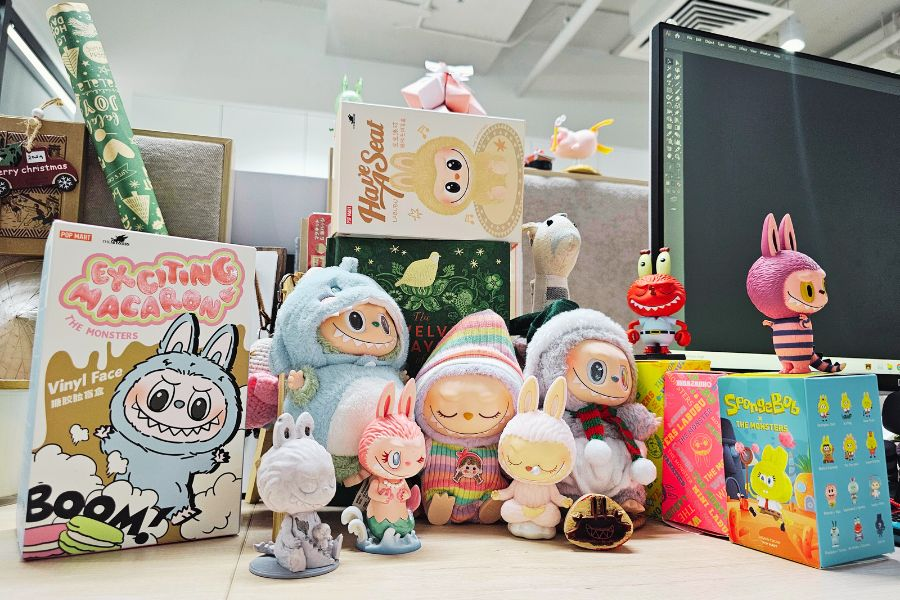
POP MART LABUBU The Monsters collectible figures and plush toys, featuring a variety of character designs and limited-edition collaborations.
Every blind box line is built on a pull rate, meaning the odds of getting any one specific figure out of the full set. Brands usually organize this into a few tiers:
- Common figures: the bulk of the set, easy to pull, low resale value.
- Rare or “chase” figures: intentionally scarce, often a color variant or special pose.
- Secret editions: the hardest pull in the series, sometimes hidden at odds of 1-in-72 or even lower depending on the drop.
Pop Mart’s Labubu line is a good example of how wide this range can get. Some series set the secret figure at roughly 1-in-72, while limited event drops have pushed rarer variants down toward 1-in-720. That’s not a universal rule across every brand or every series, but it shows why a single blind box can resell for ten times its retail price while the box next to it barely moves.
This is also why you’ll see collectors talk about “case ratios.” A full case of blind boxes usually guarantees exactly one secret figure somewhere inside, which is why buying a whole case is a common (and expensive) strategy for chasing a specific pull.
Why Blind Boxes Are So Addictive, and How to Collect Without Overspending
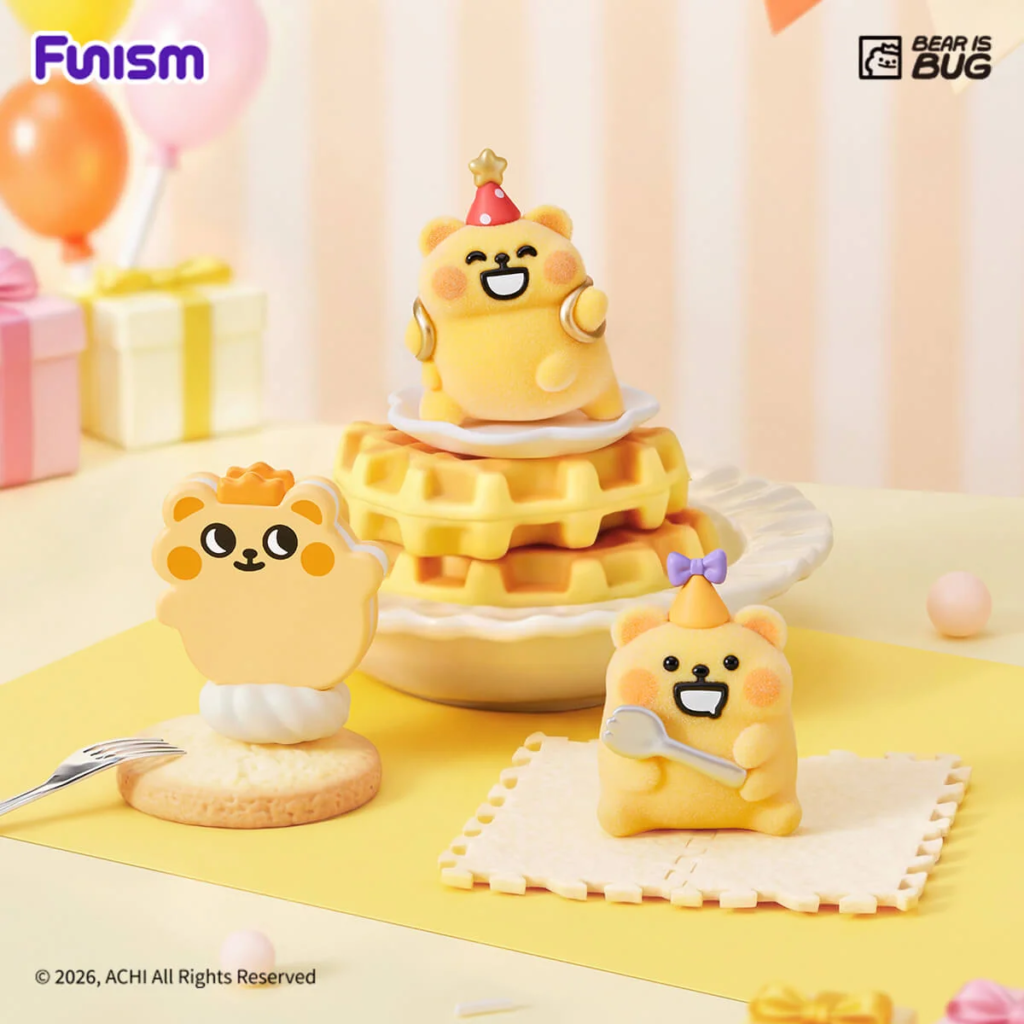
Funism BEAR IS BUG collectible figures featuring cute bear characters in a playful breakfast-themed design.
The randomness is deliberate. Psychologists call it a variable reward system, the same mechanism that makes slot machines and loot boxes compelling. You never know if the next box is the one, so you keep buying. For a lot of adult collectors, that’s honestly part of the appeal. It’s a low-stakes, low-cost hit of anticipation after a long day, which is exactly why so many people frame collecting as a stress-relief hobby rather than just toy shopping.
That said, it’s easy to overspend chasing one figure. A few habits keep it fun instead of draining:
- Set a hard monthly budget before you start opening boxes, not after.
- Decide upfront whether you’re chasing the full set or just one character.
- Trade duplicates instead of buying more boxes to try again. Collector Facebook groups, Discord servers, and local toy meetups exist specifically for this.
- Check secondary market prices before assuming a “rare” pull is actually worth something. Not every low-odds figure holds resale value once the hype settles.
Where to Buy Blind Box Collectibles (and How to Avoid Fakes)
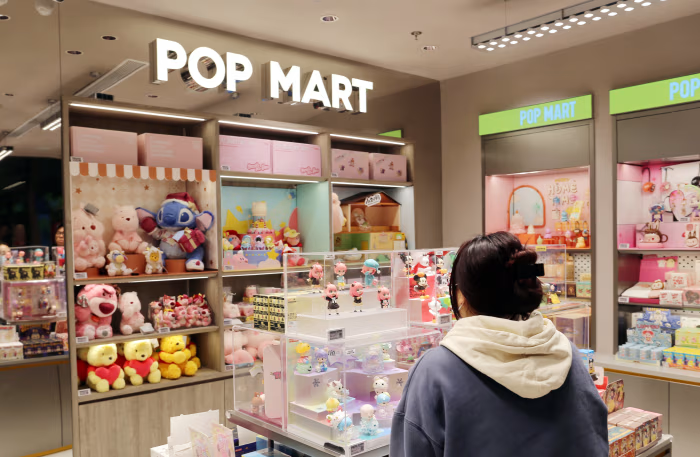
A POP MART store filled with collectible figures, blind boxes, and plush toys from popular character series.
Stick to sources that are either the brand’s own storefront or an authorized retailer. For US buyers, that generally means the brand’s official site, plus mainstream retailers like Target, Walmart, and Amazon, or specialty collectible shops like Toynk. Authorized retailers don’t reseal boxes, and they won’t sell you a box that’s already been opened and swapped.
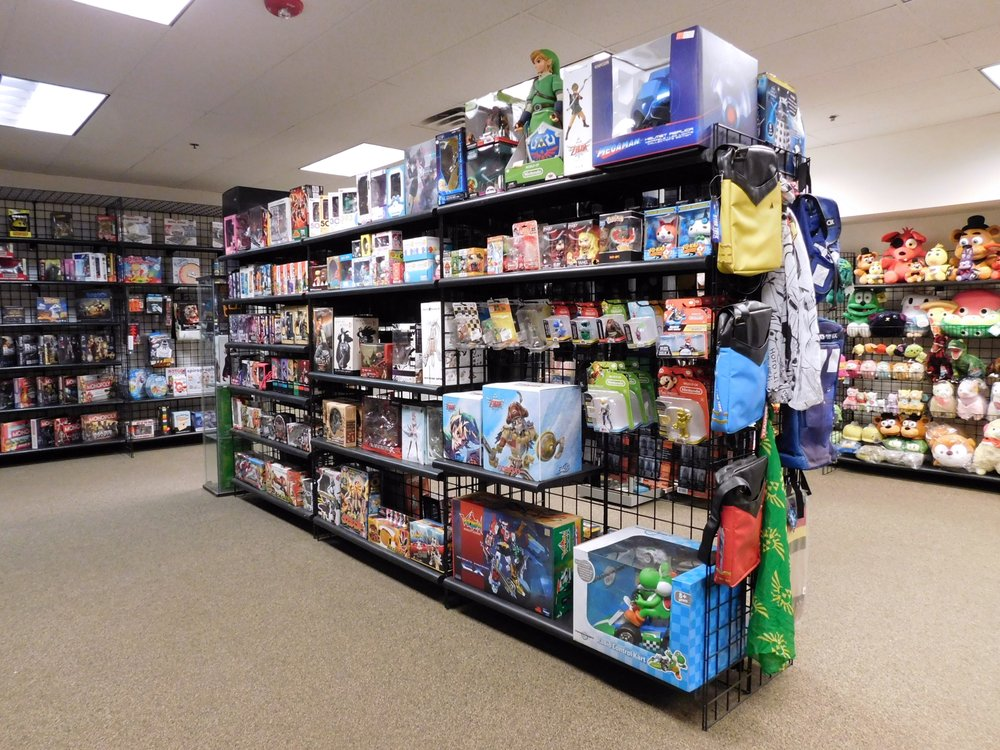
A Toynk store featuring action figures, collectibles, plush toys, and pop culture merchandise from popular franchises.
Counterfeits are a real problem, especially with anything as hyped as Labubu. A few quick checks before you buy from a third-party seller:
- Look for consistent, sharp printing on the box. Blurry text or slightly-off colors are a red flag.
- Check the barcode and QR code actually scan and match the listed product.
- Be suspicious of prices that are dramatically below retail for a currently in-demand series. That’s rarely a coincidence.
- Buy from sellers with verifiable reviews and a real return policy, not anonymous marketplace listings with no history.
Your First Blind Box: Start With One, Not a Case
If you’re brand new to this, resist the urge to buy a full case on day one. Grab a single box from a series you actually like the look of, not just the one everyone’s chasing online. See how it feels to open it, whether you like the character design, and whether the “will I get the secret” feeling is actually fun for you or just stressful. From there, you can decide if you want to collect the full line, chase a specific rare figure, or just grab whatever catches your eye each season.
Frequently Asked Questions
- What’s the difference between a blind box and a mystery box? A blind box usually holds one figure from a known, labeled series, so you know the possible outcomes even if you don’t know which one you’ll get. A mystery box is broader and can mix random items across different series or even different brands entirely.
- Are blind boxes worth collecting as an investment? Some rare pulls do resell well above retail, particularly limited or secret editions from hyped brands. But most common figures lose value fast once a series is no longer in production. Treat resale potential as a bonus, not the reason to buy.
- Can I return a blind box if I don’t like what I get? Almost never, since the randomness is the product itself. Most retailers and brands explicitly exclude blind boxes from returns once opened. Only unopened, defective, or clearly mis-shipped items are typically eligible.
- What age group are blind boxes actually made for? While plenty of blind box lines are technically kid-friendly, the adult collector market has become the primary audience for brands like Pop Mart and premium Funko lines, with pricing, packaging, and marketing built around collectors rather than children.